Website Preview
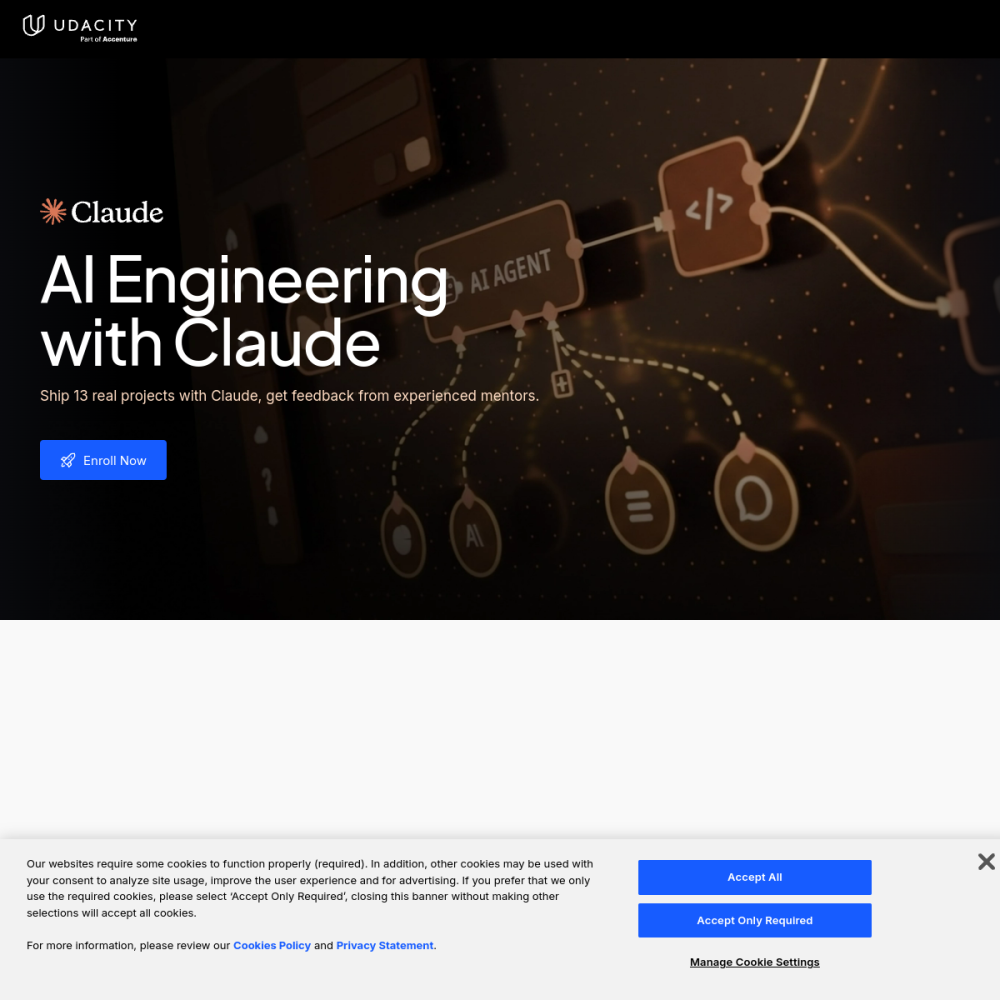
Tool Guide
Udacity provides structured online education focused on technology skills. The platform is known for its Nanodegree programs, which combine video lessons with practical projects. This approach emphasizes hands-on experience over passive viewing. Learners build portfolios while studying core concepts.
Learners access content designed for career advancement in fields like artificial intelligence and data science. The site serves as a resource for self-paced study and professional development. Users can track progress through a dedicated dashboard. Support forums allow students to connect with peers.
Udacity is an online learning platform specializing in technology and business skills. It offers courses structured around specific career paths rather than general academic subjects. The platform bridges the gap between theoretical knowledge and industry requirements.
The core offering includes Nanodegree programs, which are project-based learning tracks. Students complete assignments reviewed by industry professionals to validate their skills. This ensures the curriculum remains relevant to current market needs.
The platform features video lessons created by industry experts. These lessons are broken down into manageable modules for easier consumption. Learners can pause and revisit content as needed.
Project reviews are a central component of the learning experience. Learners submit work that receives feedback, helping them refine their technical abilities. This iterative process mimics real-world development workflows.
Career support resources are available to help users navigate job markets in tech. This includes resume reviews and interview preparation materials. Access to these tools supports the transition from learning to hiring.
This tool is suitable for professionals looking to transition into tech roles. It targets individuals seeking structured guidance rather than unguided self-study. The environment supports disciplined learning habits.
Career changers and upskillers benefit from the focused curriculum. The platform caters to those willing to invest time in project-based learning. It is less suited for those seeking quick certifications without practical work.
Users often enroll to gain specific certifications in AI or data science. These credentials can be added to professional profiles to demonstrate competency. Employers recognize these programs as indicators of skill.
Teams may use the platform for corporate training initiatives. Organizations leverage the content to upskill employees in emerging technologies. This helps companies adapt to digital transformation requirements.
Students use the courses to supplement formal education with practical skills. This bridges the gap between theory and real-world application. It provides a portfolio of work for job applications.
Visit the official website to browse available Nanodegree programs. Select a track that aligns with your career goals and technical background. Research the prerequisites to ensure readiness.
Review the project requirements before enrolling. Understanding the workload helps ensure you can commit to the timeline. Consistent effort is required to complete the projects successfully.
Engage actively with the feedback loop. Applying reviewer comments to your projects maximizes the learning outcome. Treat the feedback as a mentorship opportunity.
A Nanodegree is a project-based learning program offered by Udacity. It focuses on specific skills required for tech jobs. Completion involves passing graded projects. It is not a traditional university degree.
Udacity offers some free courses, but Nanodegree programs typically require a paid subscription. Pricing varies by program and region. Free trials may be available for some programs.
Completion time varies by program and individual pace. Most Nanodegrees are designed for several months of study. Consistent weekly effort is recommended. Part-time learners may take longer.